What is Cyber Security?
Cybersecurity refers to the practice of protecting computer systems, networks, programs, and data from unauthorized access, attacks, damage, or any form of unauthorized exploitation. It involves a combination of technologies, processes, and practices designed to safeguard digital information and assets from cyber threats.
Cybersecurity measures are essential due to the increasing reliance on digital platforms and the internet for communication, commerce, and various other activities.
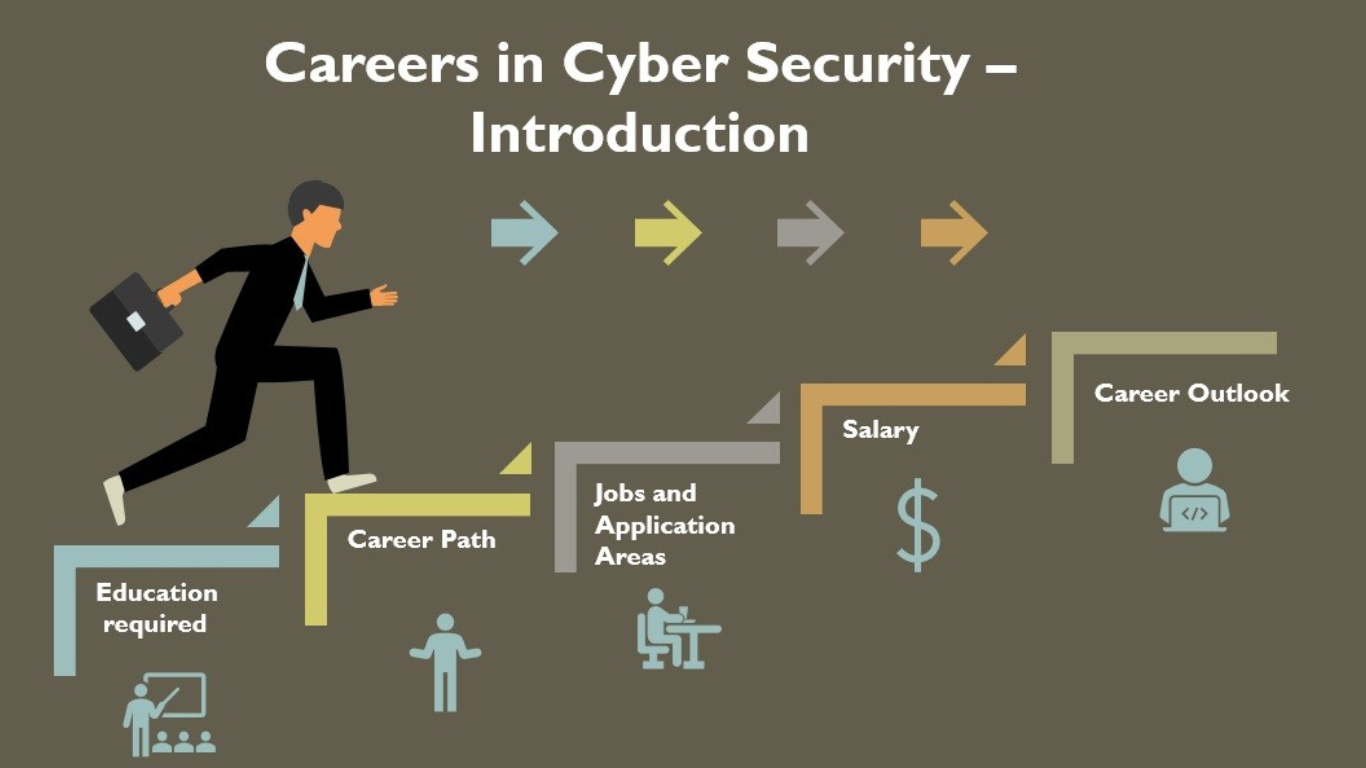
Education Required for Cyber Security.
A career in cybersecurity typically requires a combination of education, training, and practical experience. Here are some common educational pathways and qualifications for individuals pursuing cybersecurity roles:
Bachelor's Degree:
Entry-level cybersecurity positions require a bachelor's degree in fields such as:
- 1.Computer Science
- 2.Information Technology
- 3.Cybersecurity
- 4.Computer Engineering
- 5.Mathematics with a focus on computer science or cybersecurity
- 6.Information Security
Carrer path to cyber security:
A career path in cybersecurity typically involves a combination of education, training, certifications, and practical experience. Here's a general roadmap for pursuing a career in cybersecurity:
1.Education:
Bachelor's Degree :
Gain Foundational Knowledge:
Obtain Certifications:
- CompTIA Security+
- Certified Information Systems Security Professional (CISSP)
- Certified Ethical Hacker (CEH)
- Certified Information Security Manager (CISM)
- Certified Information Systems Auditor (CISA)
- CompTIA Cybersecurity Analyst (CySA+)
Develop Technical Skills:
Build Experience:
Continuing Education and Training:
Specialize and Advance:
Jobs and Application areas :
Security Analyst :
Security analysts monitor networks, analyze security incidents, and respond to cybersecurity threats. They may work in Security Operations Centers (SOCs) and use security information and event management (SIEM) tools to detect and investigate security incidents.
Penetration Tester/Ethical Hacker :
Penetration testers assess the security posture of systems, networks, and applications by simulating real-world cyber attacks. They identify vulnerabilities, exploit weaknesses, and provide recommendations to improve security defenses.
Security Consultant :
Security consultants advise organizations on cybersecurity strategies, risk management, and compliance requirements. They conduct security assessments, develop security policies and procedures, and recommend security solutions tailored to the organization's needs.
Incident Responder :
Incident responders investigate security incidents, contain threats, and mitigate the impact of cybersecurity breaches. They develop incident response plans, coordinate response efforts, and restore affected systems and data.
Security Architect :
Security architects design secure systems, networks, and infrastructure by implementing security controls and best practices. They develop security architectures, conduct risk assessments, and ensure compliance with security standards and regulations.
Cryptographer :
Cryptographers design cryptographic algorithms and protocols to secure data transmission, storage, and authentication mechanisms. They research cryptographic techniques, analyze cryptographic systems, and contribute to the development of encryption standards.
Forensic Analyst :
Forensic analysts investigate cybercrimes, collect digital evidence, and analyze forensic data to support legal proceedings. They use forensic tools and techniques to reconstruct digital events, identify perpetrators, and preserve evidence integrity.
Security Operations Manager :
Security operations managers oversee the day-to-day operations of security teams and ensure the effectiveness of security controls and incident response procedures. They manage security incidents, allocate resources, and collaborate with stakeholders to address security risks.
Compliance Analyst :
Compliance analysts ensure that organizations comply with industry regulations, privacy laws, and security standards. They assess regulatory requirements, conduct compliance audits, and develop compliance frameworks to mitigate legal and regulatory risks.
Security Software Developer :
Security software developers design and develop security applications, tools, and utilities to enhance cybersecurity defenses. They write secure code, perform code reviews, and integrate security features into software products and applications.
Salary :
Entry-Level Positions :
- Security Analyst: $60,000 - $80,000 per year
- Junior Penetration Tester: $65,000 - $90,000 per year
- Security Engineer: $70,000 - $90,000 per year
Mid-Level Positions :
- Senior Security Analyst: $80,000 - $110,000 per year
- Senior Penetration Tester / Ethical Hacker: $90,000 - $130,000 per year
- Security Consultant: $90,000 - $130,000 per year
Senior-Level and Leadership Positions :
- Security Architect: $100,000 - $150,000+ per year
- Chief Information Security Officer (CISO): $150,000 - $250,000+ per year
- Director of Security Operations: $130,000 - $180,000+ per year
Specialized Roles
- Cryptographer: $80,000 - $130,000+ per year
- Forensic Analyst: $70,000 - $120,000+ per year
Growing Demand
With the increasing frequency and sophistication of cyber threats, organizations across all industries are prioritizing cybersecurity. As a result, there is a high demand for skilled cybersecurity professionals who can protect systems, networks, and data from cyberattacks.
Carrer outlook :
Diverse Opportunities :
The field of cybersecurity offers a wide range of career opportunities, including roles such as security analysts, penetration testers, security architects, incident responders, cryptographers, and more. Professionals can specialize in areas such as network security, application security, cloud security, digital forensics, and risk management.
Continuous Evolution :
Cyber threats and technologies are constantly evolving, creating new challenges and opportunities in the field of cybersecurity. Professionals must stay updated with the latest trends, tools, and techniques to effectively mitigate risks and safeguard digital assets.
Global Impact :
Cybersecurity is a global issue that affects governments, businesses, and individuals worldwide. Cyberattacks have the potential to disrupt critical infrastructure, compromise sensitive information, and undermine trust in digital technologies. As a result, there is a growing emphasis on international cooperation and collaboration to address cybersecurity challenges.
Competitive Salaries :
Due to the high demand for cybersecurity talent, professionals in the field often command competitive salaries and benefits. Salaries can vary based on factors such as job role, level of experience, location, industry, and employer.
Career Advancement :
Cybersecurity offers ample opportunities for career advancement and professional growth. As professionals gain experience and expertise, they can pursue higher-level positions, leadership roles, and specialized certifications to further enhance their credentials and expand their career opportunities.
Job Security :
As long as digital technologies continue to play a crucial role in business operations and everyday life, the need for cybersecurity professionals will remain paramount. Cybersecurity is a dynamic and resilient field that offers job security and long-term career prospects.